
Narration in the High School Years
Charlotte Mason's narration method, at its most basic, has the student read a passage once, with full attention, then close the book and tell back what was just read in his or her own words. It's not a summary or a list of answers to comprehension questions. It's the student re-telling the material, in sequence and with as much detail as possible.
How it looks in high school
There's a lot of info out there on narrations during the younger years, but it looks different once students hit high school age.
1. Mostly written, with oral still practiced.
The focus becomes written narration, and with regular practice it enhances full composition: well-ordered paragraphs, strong storytelling, and essay-length pieces. Oral narration still matters, especially in class discussion, because it builds the ability to speak fluently and in order without always checking notes.
2. Longer passages.
A high schooler could ostensibly narrate a full chapter or a section of a long work instead of one page. Yet the habit of reading once and attending fully still applies, so passages stay short enough that this is feasible.
3. Supporting habits.
Students keep a Commonplace Book of passages they copy because they find them striking, as well as a "Book of Centuries" timeline. We do both of these in my Idaeon class.
What narration looks like for class reading assignments
1. At home: read once, then narrate in writing.
The student reads the assignment carefully, without skimming or re-reading for answers, then writes a narration with the book closed. Short reading sessions with a narration right after work better than one long sitting, followed by a single narration of everything.
2. Discussion.
Narration establishes what the text says; discussion makes it meaningful. This is the bulk of in-class time with Idaeon, but it shouldn't live only there! Ask questions about the day’s reading around the dinner table, have your student compare the current text with previously read ones, and ask connect-the-dot questions.
Common pitfalls
Narration is low-stakes and is assessed in class for completeness—that’s my part. But as a partner in your students' education, your part is to decide how much of the author's language and detail your student retains. Together, we can gradually raise expectations for organization and style, while still avoiding heavy red-penning that demoralize students and make them dread writing.
Avoid:
Assigning your student so much reading at one time that a single attentive pass becomes impossible.
Letting narration slide into a bare plot summary or a list of bullet points.
Re-reading or open-book narrating, which negates the concentrated effort.
It definitely helps to familiarize yourself with our class texts, so treat yourself to a second education and read along with our class! I promise, from personal experience, these classics are much better appreciated in adulthood. As I always tell my students, I teach these works not so that they fully understand them as 17-year-olds, but so they'll open them again at 37 years old with a newfound appreciation.
I do hope this helps. For much more in-depth thinking about narration, I recommend Know and Tell: The Art of Narration, by Karen Glass.
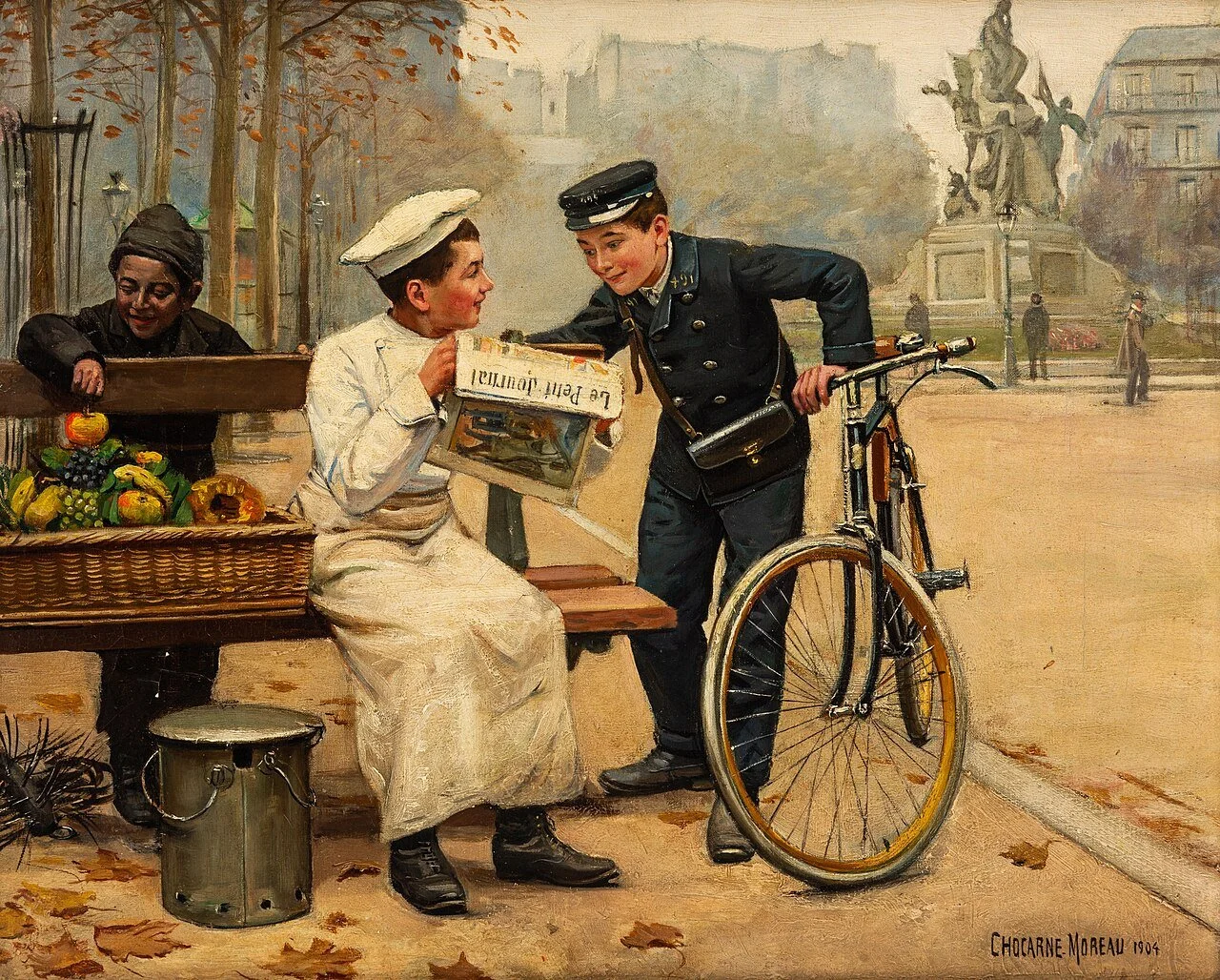
top image: Le Petit Journal (c.1900), by Paul Charles Chocarne-Moreau #